

In the realm of industrial fluid control, the Flange Type Globe Valve stands as a cornerstone of reliability and precision. As a leading supplier of these valves, we are often asked about the data logging function of an intelligent Flange Type Globe Valve. This blog aims to shed light on this critical feature, exploring its significance, operation, and benefits in various industrial applications.

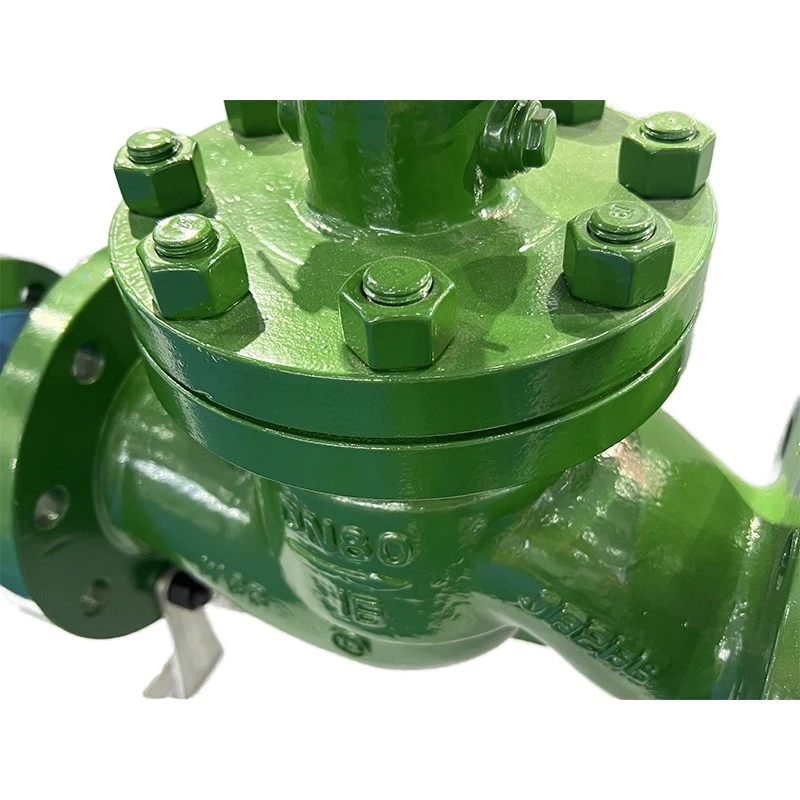
Understanding the Flange Type Globe Valve
Before delving into the data logging function, it's essential to understand the basic structure and operation of a Flange Type Globe Valve. These valves are designed to regulate the flow of fluid through a pipeline by using a movable disk (plug) that can be raised or lowered to control the opening between the valve seat and the disk. The flange connection provides a secure and leak - tight joint, making it suitable for high - pressure and high - temperature applications.
Flange Type Globe Valves are widely used in industries such as oil and gas, chemical processing, power generation, and water treatment. They offer excellent throttling capabilities, allowing for precise control of fluid flow rates. Our company offers a wide range of Flange Type Globe Valve options, including Cast Steel Stainless Steel Globe Valve and Oxygen Globe Valve, each tailored to specific industrial needs.
The Concept of Data Logging in Intelligent Valves
In recent years, the industrial sector has witnessed a significant shift towards the adoption of intelligent valves. These valves are equipped with sensors and communication capabilities that allow them to collect and transmit data about their operation. Data logging is a crucial aspect of intelligent valve technology, enabling continuous monitoring and analysis of valve performance.
The data logging function in an intelligent Flange Type Globe Valve involves the collection of various parameters related to the valve's operation. These parameters may include valve position, flow rate, pressure, temperature, and actuator status. By recording this data over time, operators can gain valuable insights into the valve's performance, identify potential issues, and make informed decisions regarding maintenance and operation.
How Data Logging Works in a Flange Type Globe Valve
The data logging process in an intelligent Flange Type Globe Valve typically begins with the installation of sensors on the valve and its associated components. These sensors are designed to measure different physical quantities, such as pressure sensors to measure the pressure inside the valve, position sensors to determine the position of the valve disk, and temperature sensors to monitor the temperature of the fluid.
The sensors collect data at regular intervals and transmit it to a data logger or a central control system. The data logger stores the collected data in a memory module, which can be accessed later for analysis. In some cases, the data can also be transmitted wirelessly to a remote monitoring station, allowing operators to monitor the valve's performance in real - time from a distance.
Once the data is collected, it can be analyzed using various software tools. These tools can generate reports, graphs, and trends that provide a comprehensive view of the valve's operation. For example, by analyzing the valve position data over time, operators can detect if the valve is sticking or not closing properly. Similarly, by monitoring the pressure and flow rate data, they can identify any abnormal fluctuations that may indicate a problem with the valve or the pipeline.
Benefits of Data Logging in Flange Type Globe Valves
The data logging function in intelligent Flange Type Globe Valves offers several significant benefits for industrial operators.
Predictive Maintenance
One of the primary benefits of data logging is the ability to perform predictive maintenance. By analyzing the collected data, operators can identify patterns and trends that may indicate potential issues with the valve. For example, if the valve position data shows a gradual deviation from the normal range, it may be a sign of wear and tear on the valve components. By detecting these issues early, operators can schedule maintenance before a major failure occurs, reducing downtime and maintenance costs.
Improved Process Efficiency
Data logging also helps in improving process efficiency. By monitoring the flow rate, pressure, and temperature data, operators can optimize the operation of the valve to ensure that the fluid flow is within the desired range. This can lead to better control of the industrial process, resulting in increased productivity and reduced energy consumption.
Regulatory Compliance
In many industries, there are strict regulations regarding the operation and maintenance of valves. Data logging provides a documented record of the valve's operation, which can be used to demonstrate compliance with these regulations. This is particularly important in industries such as the pharmaceutical and food processing industries, where strict quality control standards are in place.
Safety Enhancement
Data logging can also enhance safety in industrial operations. By continuously monitoring the valve's performance, operators can detect any abnormal conditions that may pose a safety risk. For example, if the pressure inside the valve exceeds the safe limit, the data logging system can trigger an alarm, allowing operators to take immediate action to prevent a potential explosion or other safety incident.
Applications of Data Logging in Different Industries
The data logging function of intelligent Flange Type Globe Valves finds applications in a wide range of industries.
Oil and Gas Industry
In the oil and gas industry, Flange Type Globe Valves are used in various processes, such as oil extraction, refining, and transportation. The data logging function allows operators to monitor the flow of oil and gas through the pipelines, ensuring that the valves are operating efficiently and safely. By analyzing the data, they can detect any leaks or blockages in the pipeline, which can prevent costly downtime and environmental damage.
Chemical Processing Industry
In the chemical processing industry, precise control of fluid flow is crucial to ensure the quality and safety of the products. The data logging function in Flange Type Globe Valves helps operators to monitor the flow rate, pressure, and temperature of the chemicals, allowing them to make adjustments as needed. This ensures that the chemical reactions are carried out under optimal conditions, resulting in higher product quality and reduced waste.
Power Generation Industry
In power generation plants, Flange Type Globe Valves are used to control the flow of steam and water. The data logging function enables operators to monitor the performance of the valves, ensuring that they are operating at peak efficiency. By analyzing the data, they can detect any issues with the valves, such as leakage or improper opening and closing, which can affect the overall performance of the power plant.
Conclusion
The data logging function of an intelligent Flange Type Globe Valve is a powerful tool that offers numerous benefits for industrial operators. It provides valuable insights into the valve's performance, enables predictive maintenance, improves process efficiency, ensures regulatory compliance, and enhances safety. As a leading supplier of Flange Type Globe Valves, we are committed to providing our customers with high - quality valves equipped with advanced data logging capabilities.
If you are interested in learning more about our Flange Type Globe Valves and their data logging functions, or if you have any specific requirements for your industrial application, we invite you to contact us for a detailed discussion. Our team of experts is ready to assist you in finding the best valve solution for your needs.
References
- Industrial Valve Handbook, Second Edition, by Heinz P. Bloch and Fred K. Geitner
- Valves and Actuators for the Process Industries, by James A. Nygaard