

As a supplier of Bellow Seal Ball Valves, I am often asked about the maximum temperature these valves can withstand. This is a crucial question, especially in industries where high - temperature applications are common, such as oil and gas, chemical processing, and power generation. In this blog, I will delve into the factors that determine the maximum temperature tolerance of bellow seal ball valves and provide some insights based on our experience in the field.
Understanding Bellow Seal Ball Valves
Before discussing the maximum temperature, it's important to understand what a bellow seal ball valve is. A bellow seal ball valve is a type of valve that uses a bellows seal to prevent leakage. The bellows is a flexible, accordion - like component that isolates the valve stem from the process fluid, providing a reliable seal even under high - pressure and high - temperature conditions.
The main components of a bellow seal ball valve include the ball, the valve body, the stem, and the bellows. The ball is used to control the flow of the fluid, and the bellows protects the stem from the corrosive and high - temperature effects of the process fluid.
Factors Affecting the Maximum Temperature Tolerance
Material of the Valve Body and Components
The material of the valve body and its components plays a significant role in determining the maximum temperature the valve can withstand. Common materials used for bellow seal ball valves include stainless steel, carbon steel, and alloy steel.
Stainless steel is a popular choice due to its corrosion resistance and relatively high - temperature tolerance. It can typically withstand temperatures up to around 400 - 600°C, depending on the specific grade of stainless steel. For example, 316 stainless steel can handle temperatures up to about 500°C.
Carbon steel is another option. It is strong and relatively inexpensive, but its temperature tolerance is lower compared to stainless steel. Carbon steel bellow seal ball valves can usually withstand temperatures up to around 350 - 450°C.
Alloy steel is often used in high - temperature applications. Some alloy steels can withstand temperatures well above 600°C. For instance, certain nickel - based alloys can handle temperatures up to 800 - 1000°C.
Bellows Material
The material of the bellows is also crucial. The bellows needs to be flexible enough to accommodate the movement of the valve stem while maintaining a tight seal. Common bellows materials include stainless steel and Inconel.
Stainless steel bellows are suitable for a wide range of temperatures. They can typically handle temperatures up to around 400 - 500°C. Inconel, on the other hand, is a high - performance alloy that can withstand much higher temperatures. Inconel bellows can handle temperatures up to 700 - 800°C, making them ideal for extremely high - temperature applications.
Sealing Materials
The sealing materials used in the valve, such as gaskets and O - rings, also affect the maximum temperature tolerance. Different sealing materials have different temperature limits. For example, PTFE (polytetrafluoroethylene) gaskets are commonly used due to their chemical resistance, but they have a relatively low temperature limit of around 260°C. Graphite gaskets, on the other hand, can withstand much higher temperatures, up to around 600 - 800°C.
Typical Maximum Temperature Ranges
Based on the materials and design, bellow seal ball valves can generally be classified into different temperature ranges:
- Low - temperature applications: For applications where the temperature is below 200°C, valves with stainless steel bodies and PTFE seals are often sufficient. These valves are cost - effective and suitable for many general - purpose applications.
- Medium - temperature applications: In the range of 200 - 600°C, stainless steel or alloy steel valve bodies with graphite seals and stainless steel or Inconel bellows are commonly used. These valves can handle a wide variety of industrial processes, such as steam systems and some chemical reactions.
- High - temperature applications: For temperatures above 600°C, special alloy materials are required. Valves with nickel - based alloy bodies and Inconel bellows can be used in applications such as high - temperature furnaces and certain oil refinery processes.
Real - World Applications and Temperature Requirements
In the oil and gas industry, bellow seal ball valves are used in various processes, such as oil refining and natural gas processing. In oil refining, the temperature can reach up to 400 - 500°C in some distillation columns. Valves used in these applications need to be able to withstand these high temperatures while maintaining a reliable seal.
In the chemical processing industry, different chemical reactions occur at different temperatures. For example, in the production of certain polymers, the reaction temperature can be as high as 300 - 400°C. Bellow seal ball valves used in these processes need to be made of materials that can resist the corrosive effects of the chemicals and the high temperatures.
In power generation, steam systems operate at high temperatures and pressures. Bellow seal ball valves used in steam turbines and boilers need to be able to handle temperatures up to 500 - 600°C or even higher in some advanced power plants.
Related Valve Products
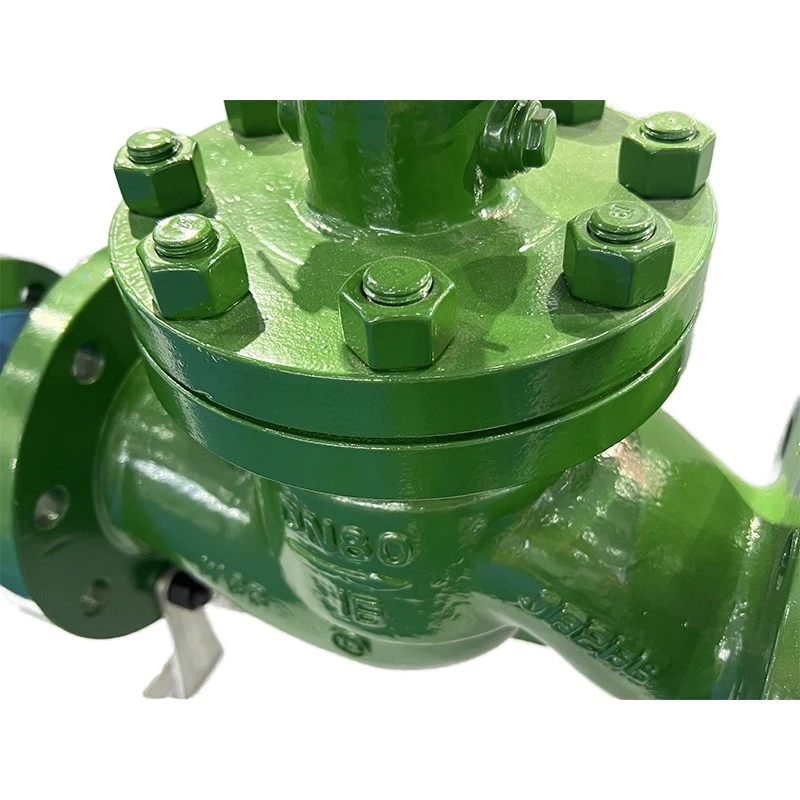
If you are also interested in other types of valves, we offer a range of related products. For example, we have Flange Type Globe Valve, which is suitable for a variety of applications and can be used in systems where precise flow control is required. Our Fluorine - lined Flanged Globe Valve provides excellent corrosion resistance, making it ideal for handling corrosive fluids. And our Cast Steel Stainless Steel Globe Valve offers a balance between strength and corrosion resistance.
Conclusion
The maximum temperature that a bellow seal ball valve can withstand depends on several factors, including the material of the valve body, the bellows, and the sealing materials. By choosing the right materials and design, these valves can be used in a wide range of temperature applications, from low - temperature general - purpose applications to high - temperature industrial processes.
If you are in need of bellow seal ball valves or have any questions about their temperature tolerance and suitability for your specific application, please feel free to contact us for a detailed discussion. We have a team of experts who can provide you with the best solutions based on your requirements.

References
- Valve Handbook, 4th Edition, by Leslie E. K. Puls
- ASME Boiler and Pressure Vessel Code, Section VIII, Division 1
- API Standards for Valves in the Oil and Gas Industry