

Skid mounted equipment has become increasingly popular in various industries due to its convenience, modularity, and efficiency. As a skid mounted equipment supplier, I understand the importance of proper maintenance to ensure the optimal performance and longevity of these systems. In this blog post, I will discuss the key maintenance requirements for skid mounted equipment, covering aspects such as regular inspections, component maintenance, and safety considerations.
Regular Inspections
Regular inspections are the cornerstone of effective skid mounted equipment maintenance. These inspections should be carried out at predetermined intervals, depending on the type of equipment, its usage, and the manufacturer's recommendations. Here are some key areas to focus on during inspections:
- Physical Condition: Check for any signs of damage, corrosion, or wear on the skid structure, piping, and components. Look for leaks, cracks, or loose connections that could affect the equipment's performance or safety.
- Fluid Levels: Monitor the levels of fluids such as lubricants, coolants, and hydraulic fluids. Low fluid levels can lead to increased friction, overheating, and premature component failure.
- Electrical Systems: Inspect the electrical wiring, connections, and control panels for any signs of damage or malfunction. Ensure that all electrical components are properly grounded and functioning correctly.
- Instrumentation: Check the accuracy and functionality of all instruments, such as pressure gauges, temperature sensors, and flow meters. Calibrate these instruments as needed to ensure reliable operation.
- Safety Devices: Verify that all safety devices, such as emergency stop buttons, pressure relief valves, and fire suppression systems, are in working order. Test these devices regularly to ensure they will function properly in an emergency.
Component Maintenance
In addition to regular inspections, skid mounted equipment requires ongoing component maintenance to keep it in top condition. Here are some common components that need to be maintained:
- Pumps and Valves: Pumps and valves are critical components of skid mounted systems. Regularly inspect and maintain these components to ensure proper operation. This includes checking for leaks, cleaning or replacing filters, and lubricating moving parts. For more information on Pump and Valve Skid, please visit our website.
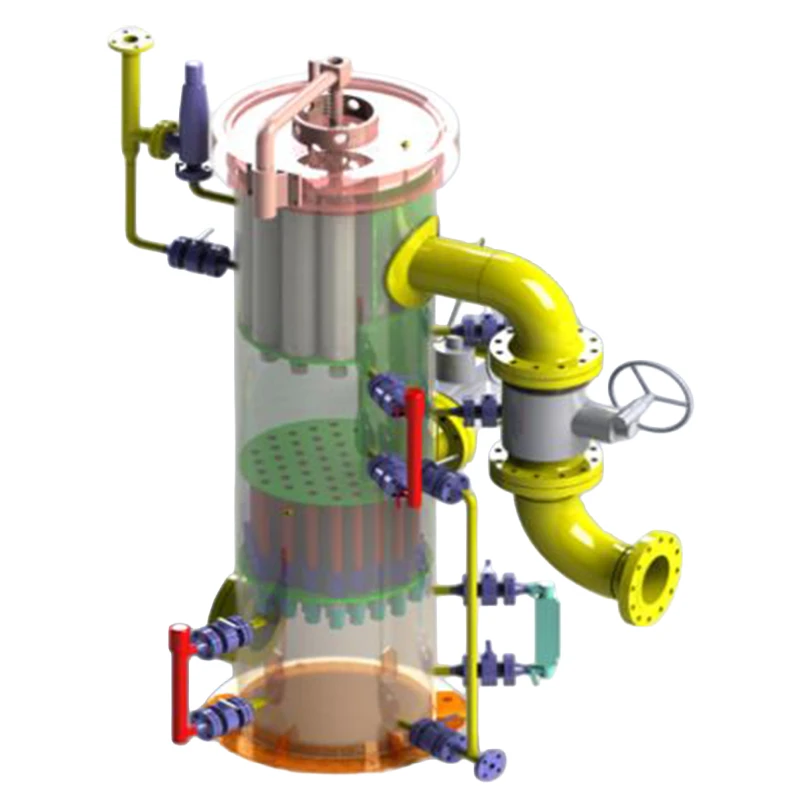
- Filters and Separators: Filters and separators play a crucial role in removing contaminants from fluids and gases. Replace filters at regular intervals to prevent clogging and ensure efficient operation. Inspect and clean separators to remove any accumulated debris. For details on Inlet Filter Separator, click the link.
- Heat Exchangers: Heat exchangers are used to transfer heat between fluids. Regularly clean and maintain heat exchangers to prevent fouling and ensure optimal heat transfer efficiency. Check for leaks and inspect the tubes and fins for damage.
- Compressors: Compressors are used to increase the pressure of gases. Regularly inspect and maintain compressors to ensure proper lubrication, cooling, and compression. Check for leaks, monitor the pressure and temperature, and replace worn or damaged parts as needed.
- Control Systems: Control systems are responsible for regulating the operation of skid mounted equipment. Regularly inspect and test the control systems to ensure they are functioning correctly. Update the software and firmware as needed to improve performance and reliability.
Safety Considerations
Safety is of utmost importance when maintaining skid mounted equipment. Here are some safety considerations to keep in mind:
- Lockout/Tagout Procedures: Before performing any maintenance or repair work on skid mounted equipment, follow proper lockout/tagout procedures to isolate the equipment from its power source. This helps prevent accidental startup and protects workers from injury.
- Personal Protective Equipment (PPE): Wear appropriate PPE, such as safety glasses, gloves, and hard hats, when working on skid mounted equipment. This helps protect against potential hazards, such as chemical spills, electrical shocks, and flying debris.
- Training and Certification: Ensure that all maintenance personnel are properly trained and certified to work on skid mounted equipment. This includes training on safety procedures, equipment operation, and maintenance techniques.
- Emergency Response Plan: Develop and implement an emergency response plan for skid mounted equipment. This plan should include procedures for handling emergencies such as fires, leaks, and equipment failures. Train all employees on the emergency response plan and conduct regular drills to ensure they are prepared to respond effectively.
Preventive Maintenance Strategies
To minimize downtime and extend the lifespan of skid mounted equipment, it is important to implement a preventive maintenance strategy. Here are some key elements of a preventive maintenance strategy:
- Maintenance Schedule: Develop a comprehensive maintenance schedule based on the manufacturer's recommendations and the equipment's usage. This schedule should include regular inspections, component maintenance, and lubrication tasks.
- Maintenance Records: Keep detailed records of all maintenance activities, including inspections, repairs, and component replacements. This helps track the equipment's history and identify any recurring issues.
- Predictive Maintenance: Use predictive maintenance techniques, such as vibration analysis, oil analysis, and thermography, to detect potential problems before they cause equipment failure. This allows for proactive maintenance and reduces the risk of unplanned downtime.
- Spare Parts Management: Maintain an inventory of critical spare parts to ensure quick replacement in the event of a component failure. This helps minimize downtime and keep the equipment running smoothly.
Conclusion
Proper maintenance is essential for the optimal performance and longevity of skid mounted equipment. By following the maintenance requirements outlined in this blog post, you can ensure that your skid mounted equipment operates safely and efficiently. Regular inspections, component maintenance, and safety considerations are key to preventing equipment failures and minimizing downtime. If you have any questions or need further information about skid mounted equipment maintenance, please feel free to contact us for a consultation. We are a leading skid mounted equipment supplier and are committed to providing high-quality products and services to our customers.

References
- Manufacturer's equipment manuals and maintenance guides
- Industry standards and best practices for skid mounted equipment maintenance
- Safety regulations and guidelines for working with skid mounted equipment